Foot and ankle prosthetics, DHA Karachi
Partial foot and Syme's prostheses that keep you on your own heel
Losing toes or the front of the foot changes your balance more than people expect. We cast what remains, build a filler or shell that fits your shoe, and for a Syme's amputation a slim ankle leg that lets you stand on the end of your stump.
- Free assessment
- Test socket first
- Answered 24/7
Clinically reviewed by Ummad Shafique Mughal, Consultant Orthotist and ProsthetistUpdated 6 October 2026
Foot and ankle
Partial foot and Syme's, explained simply
A partial foot prosthesis replaces missing toes or the front part of the foot. It can be a simple filler inside the shoe, a silicone shell that fits over the foot, or a brace-style device with a carbon plate that helps you push off.
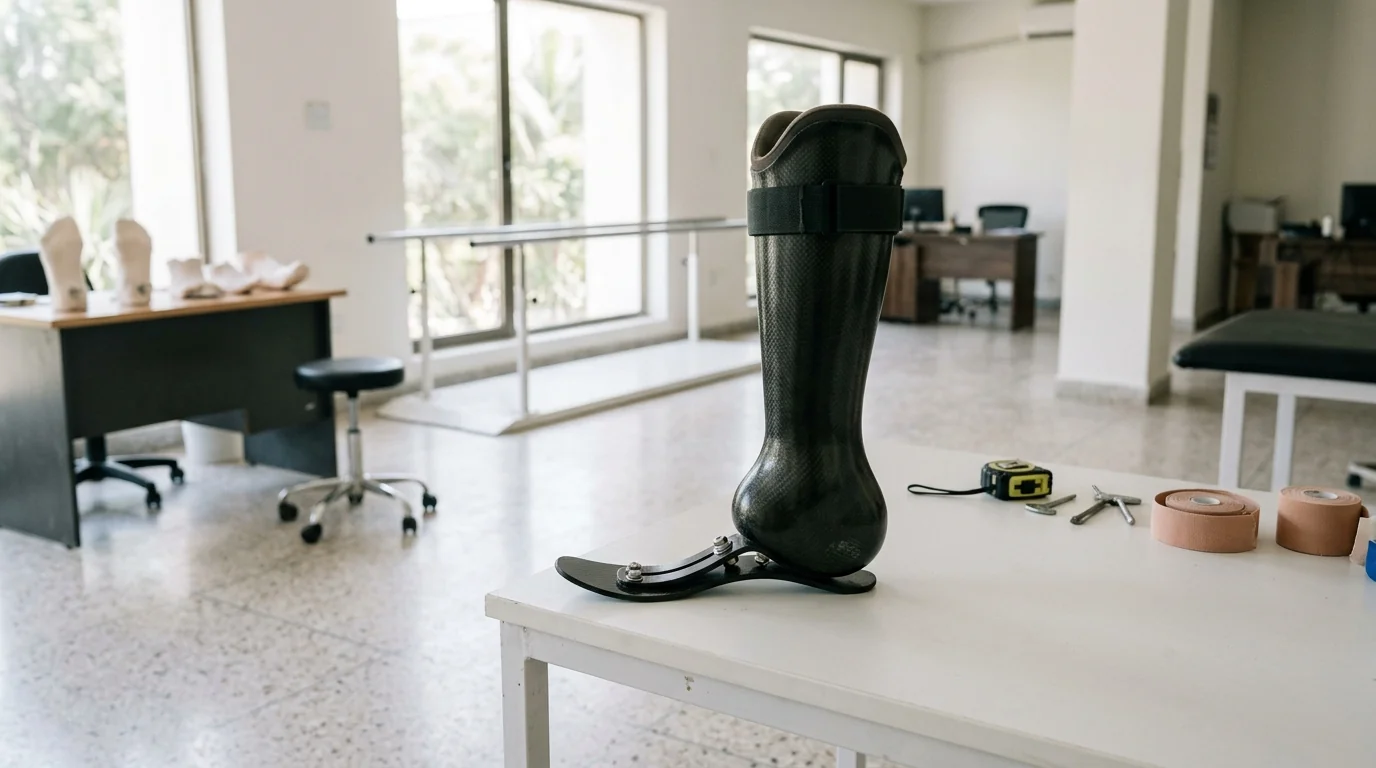
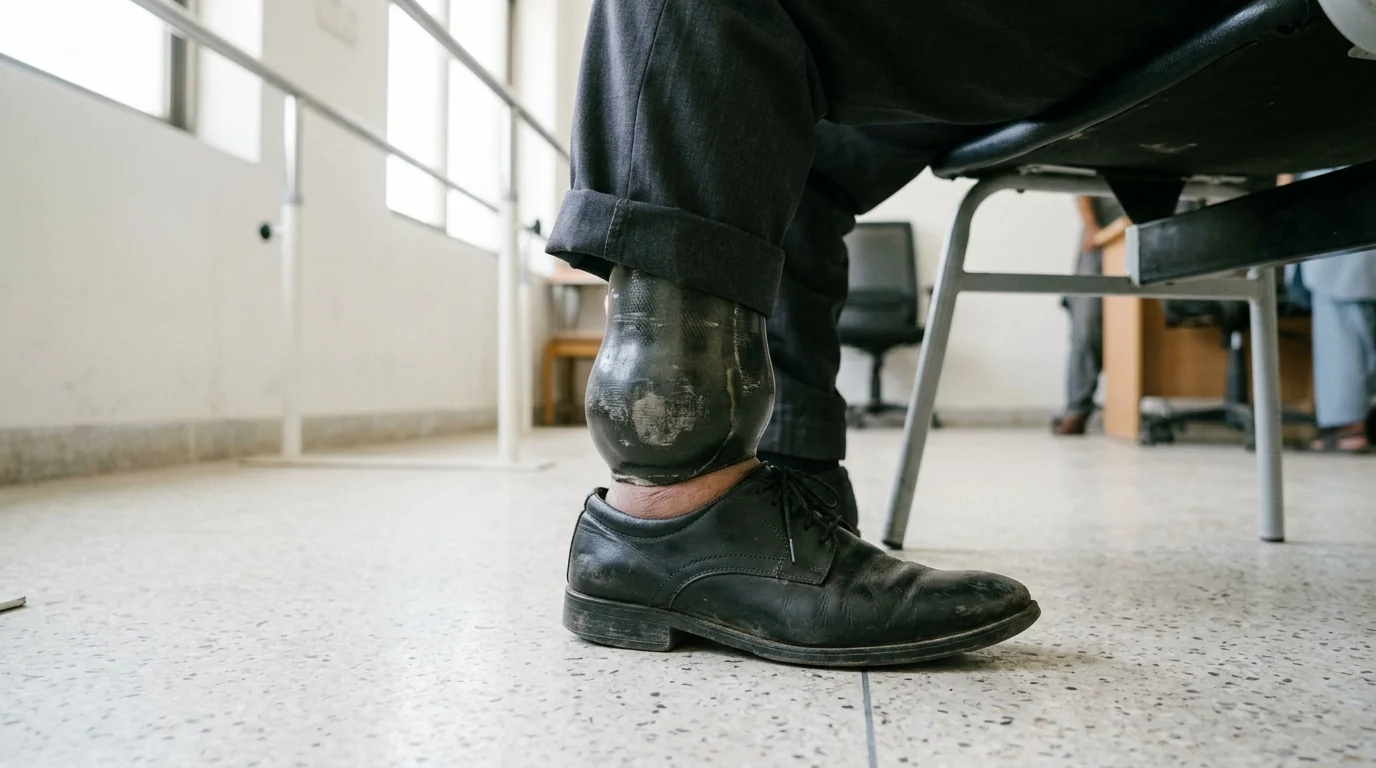
A Syme's amputation removes the foot at the ankle but keeps the heel pad, so you can often stand on the end of the stump. The Syme's leg is a slim socket with a low-profile foot. Partial foot devices start from Rs 25,000 and Syme's legs from Rs 110,000.
Is it for you
Who these devices help most
Small amputations still deserve a proper fitting. These are the people who gain most, and where we take extra care.
Usually a good fit
- Lost toes or part of the footA filler or shell restores length to the shoe and stops it folding as you walk.
- A healed Syme's stumpThe heel pad stays in place and takes your weight.
- People who walk a lotA carbon plate or foot helps you push off instead of shuffling.
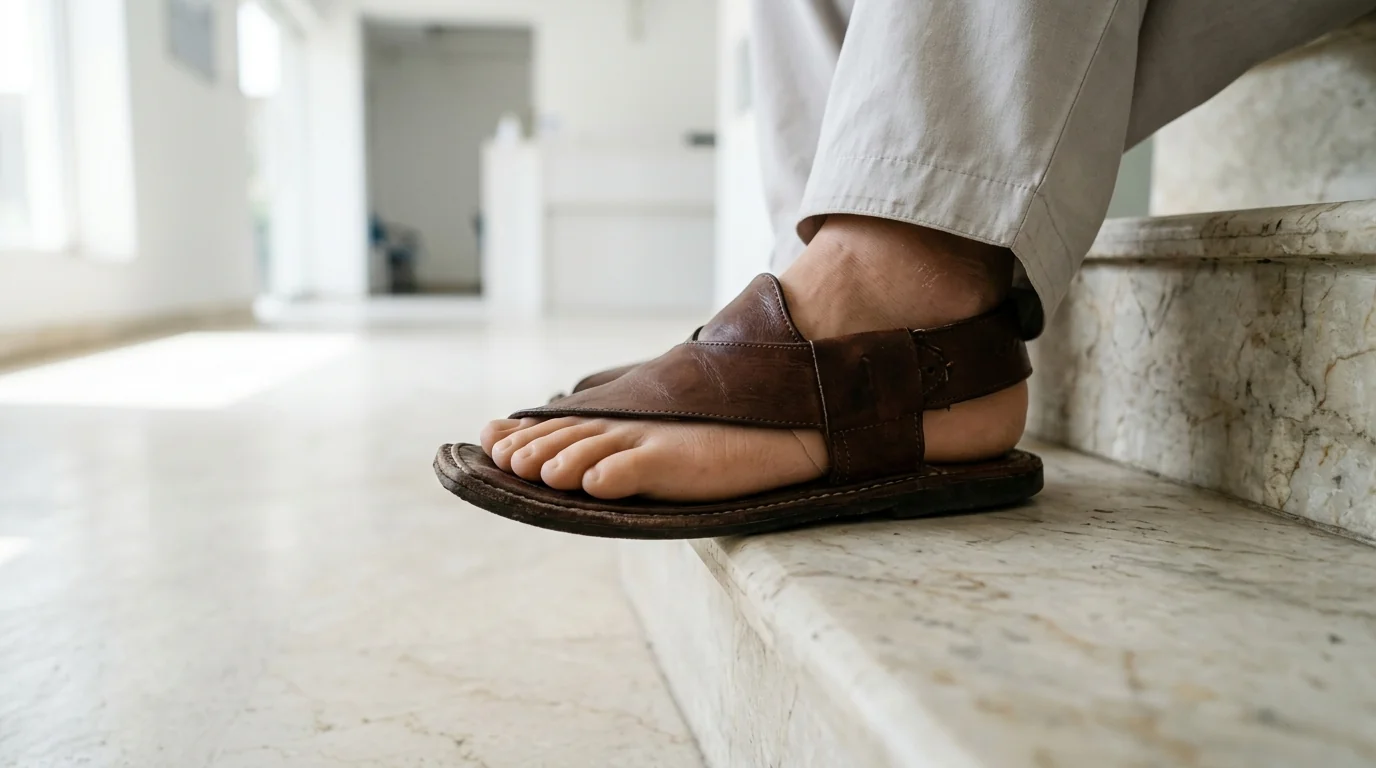
- Shoe fit problemsA well-made filler lets you wear normal shoes and chappals again.
Where we take extra care
- Diabetic feet with poor feelingSores can start without pain, so we use soft materials, check the skin often and work with your doctor.
- A heel pad that movesIf the heel pad slides on a Syme's stump, the socket must hold it carefully.
- Open sores anywhere on the footNothing is fitted until the skin is closed.
Options
The devices we make for the foot and ankle
Most people need only one of these. The assessment tells us which.
Fills the empty front of the shoe so it keeps its shape and you do not trip.
From about Rs 25,000A shell cast from your foot and coloured to your skin, fitted over what remains.
Looks natural in chappalsA brace-style device with a footplate that helps you push off on longer walks.
For active walkersA slim socket with a window or a flexible inner so it slips over the bulb of the ankle.
Made by usA foot built to sit in the small space under a Syme's stump.
Carbon options availableAdvice on shoes with room and a firm heel, and an insole for your other foot.
Part of the plan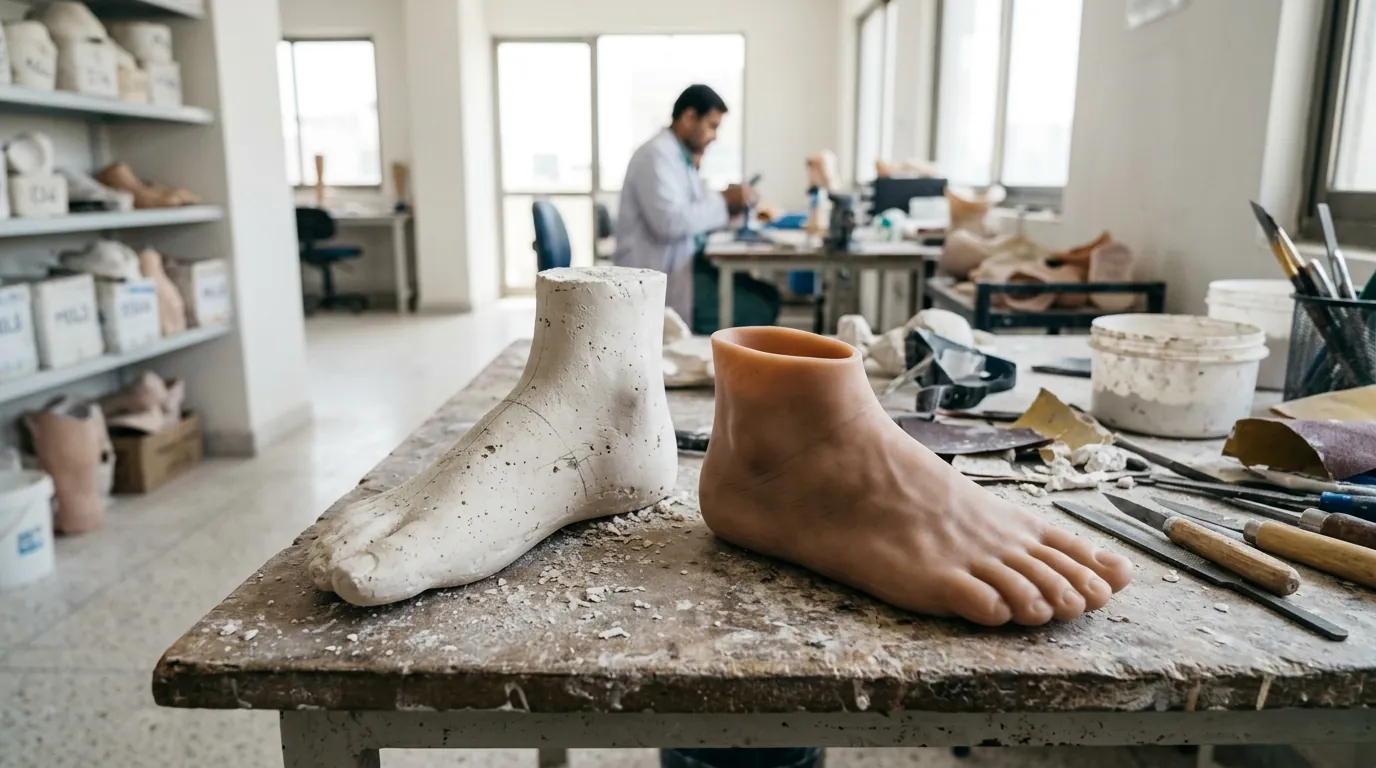
Prices for 2026
What partial foot and Syme's devices cost
Indicative ranges for 2026, from the simplest sound device to imported carbon.
| Build | What you get | Indicative price |
|---|---|---|
| Toe filler or insert | A foam and leather filler made to your shoe and foot. | Rs 25,000 to 45,000 |
| Silicone or carbon partial foot | A custom silicone shell or a carbon footplate device. | Rs 45,000 to 250,000 |
| Syme's leg | A slim socket and low-profile foot; carbon feet at the upper end. | Rs 110,000 to 700,000 |
Diabetic feet often need an extra fitting visit to check the skin; we plan for it from the start. See every level in the price guide.
Your visits
How a foot or ankle fitting usually runs
Partial foot devices are often ready faster than full legs.
- First call and photosPhotos of the foot from the top, sides and sole help.
Day 1
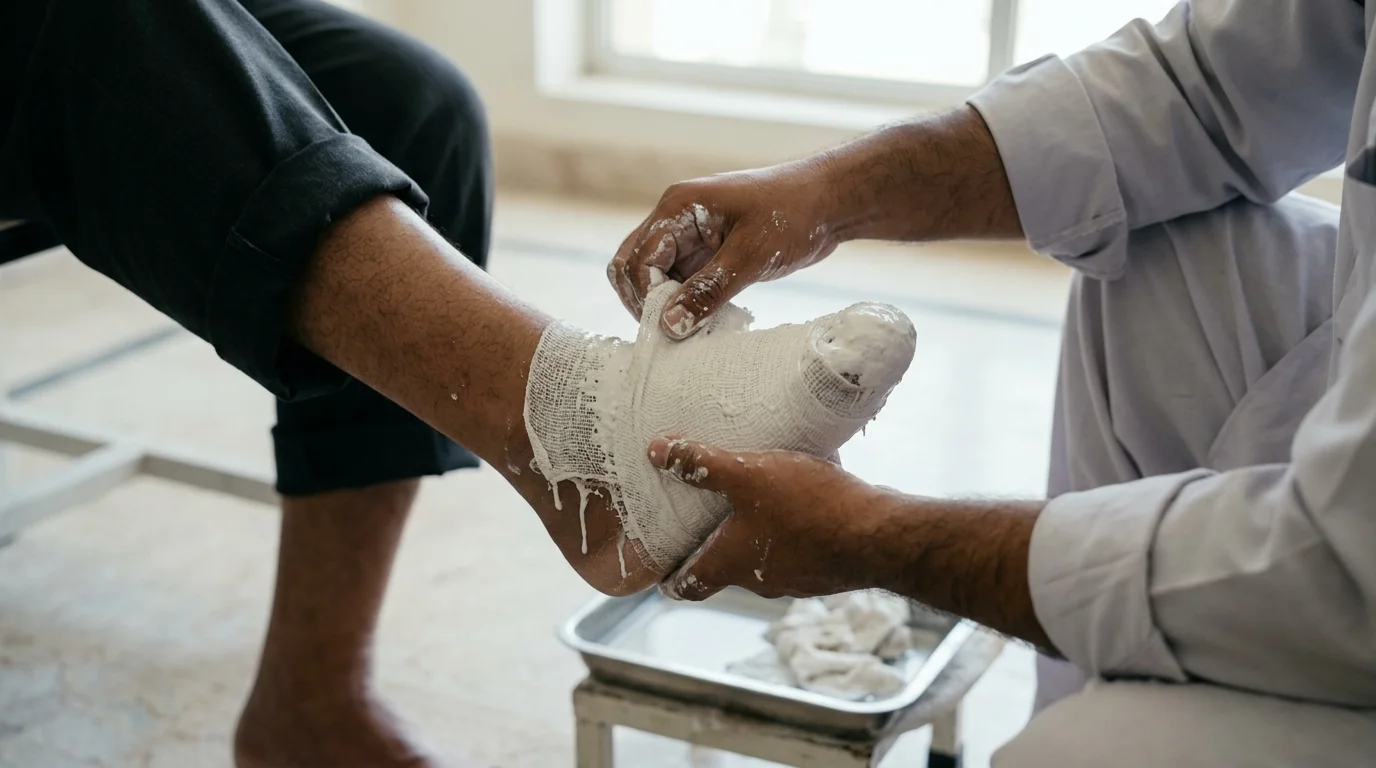
- Assessment and castSkin, feeling and shoe check, then the cast.
Week 1
- Partial foot fittingThe filler or shell is fitted in your own shoe and adjusted.
Week 2
- Syme's test socketFor Syme's legs, a clear socket comes first.
Week 2
- Syme's final legSocket finished and foot aligned to your stride.
Week 3
- Follow-upSkin checks and small adjustments.
Weeks 3 to 8
If you have diabetes, we check the skin at every visit and show your family what to look for at home.
In the clinic
Foot and ankle work, step by step
Daily care
Looking after a partial foot or Syme's stump
Small checks prevent big problems, especially with diabetes.
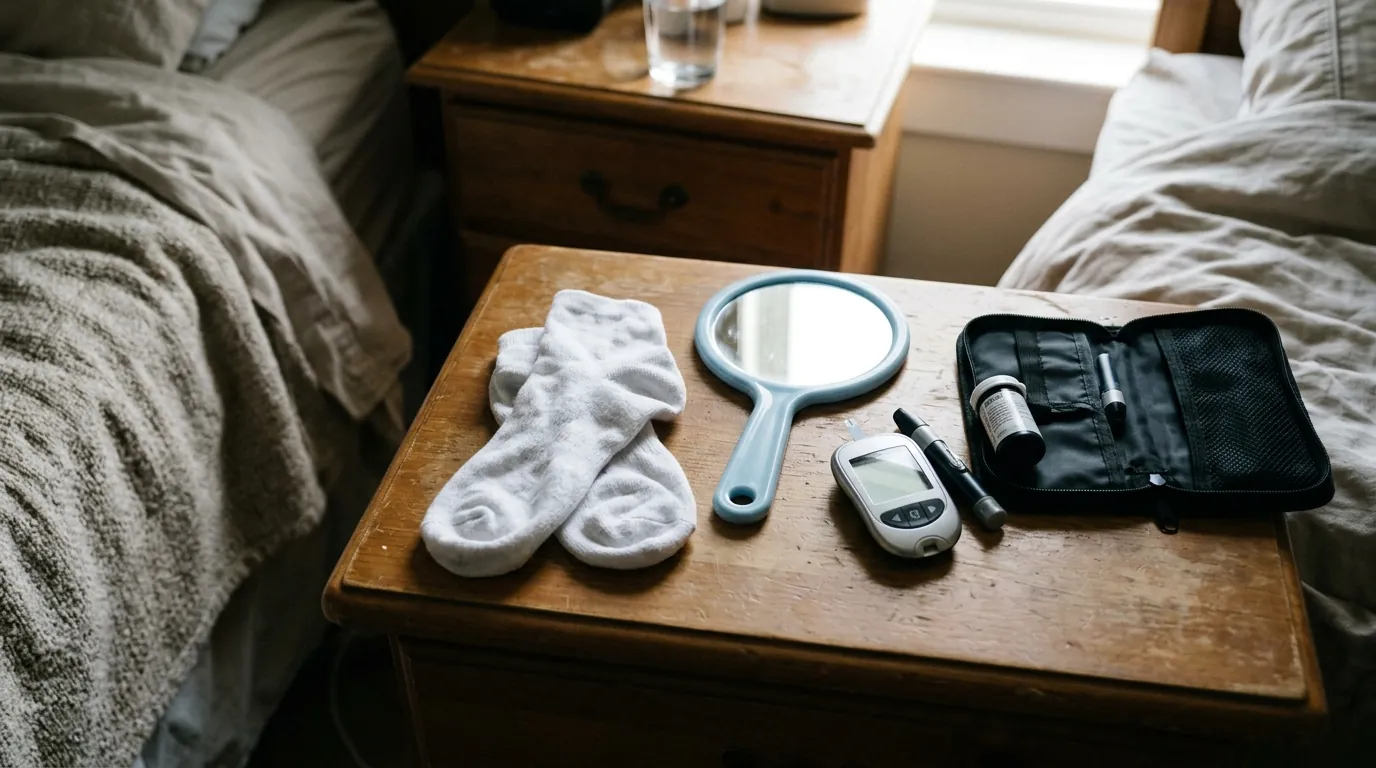
Look for red marks, blisters or cracks, and use a mirror or a family member for the sole.
A firm heel and enough toe room; avoid walking barefoot on hot or rough ground.
Many users keep the device on in socks or chappals; ask us about a washable silicone shell.
Wear a new device for short periods first and build up over a week or two.

See your doctor first if
- There is any open sore, blister or crack on either foot
- The foot is red, hot, swollen or smells
- You have a fever or feel unwell
- Your blood sugar has been high or hard to control
- You notice new numbness, burning or a colour change in the foot
Diabetic foot problems move fast. See your doctor the same day, then call us.
Questions
Partial foot and Syme's questions
Ask anything else on WhatsApp or call +92 337 8414002, day or night.
How much does a partial foot prosthesis cost in Pakistan?
A toe filler or simple insert starts from Rs 25,000. A custom silicone partial foot or a carbon footplate device usually costs Rs 45,000 to 250,000 depending on materials.
What is a Syme's prosthesis?
A leg for an amputation at the ankle where the heel pad is kept. It has a slim socket you can usually stand on, and a low-profile foot that fits under it.
Do I need anything after losing only one or two toes?
Sometimes just a good insole and shoes with room. After losing the big toe or several toes, a filler helps balance and stops the shoe folding.
Can a silicone foot get wet?
Silicone shells can be washed, which helps with wudu, but they must be dried well. We tell you which devices are safe to get wet.
Will people notice a partial foot prosthesis?
A silicone shell is coloured to match your skin and is hard to spot in chappals from a short distance. Fillers inside shoes cannot be seen.
I have diabetes. Is it safe?
Yes, with care. We use softer materials, check the skin at every visit and work alongside your doctor.
Related
Other limbs and help you may need
Talk to the clinic
Send us photos of the foot
A few clear photos on WhatsApp tell us a lot. We will reply with the options and the likely price.