Patient help
Caring for the stump after amputation
What you do in the weeks after surgery decides how soon, and how well, you can be fitted. This guide covers healing, shaping the stump, staying strong, and looking after skin in our heat. Always follow your surgeon's and physiotherapist's advice first.
- Free stump check
- WhatsApp a photo
- Answered 24/7
Clinically reviewed by Ummad Shafique Mughal, Consultant Orthotist and ProsthetistUpdated 6 October 2026
In short
The three jobs after surgery
After an amputation the stump has three jobs before a limb can be fitted: the wound must heal, the swelling must go down and the stump must take a firm, even shape. Meanwhile the rest of the body needs to stay strong.
For most people this takes six to eight weeks; after a diabetic amputation it can take longer. A photo on WhatsApp at any point lets us tell you how it is going.
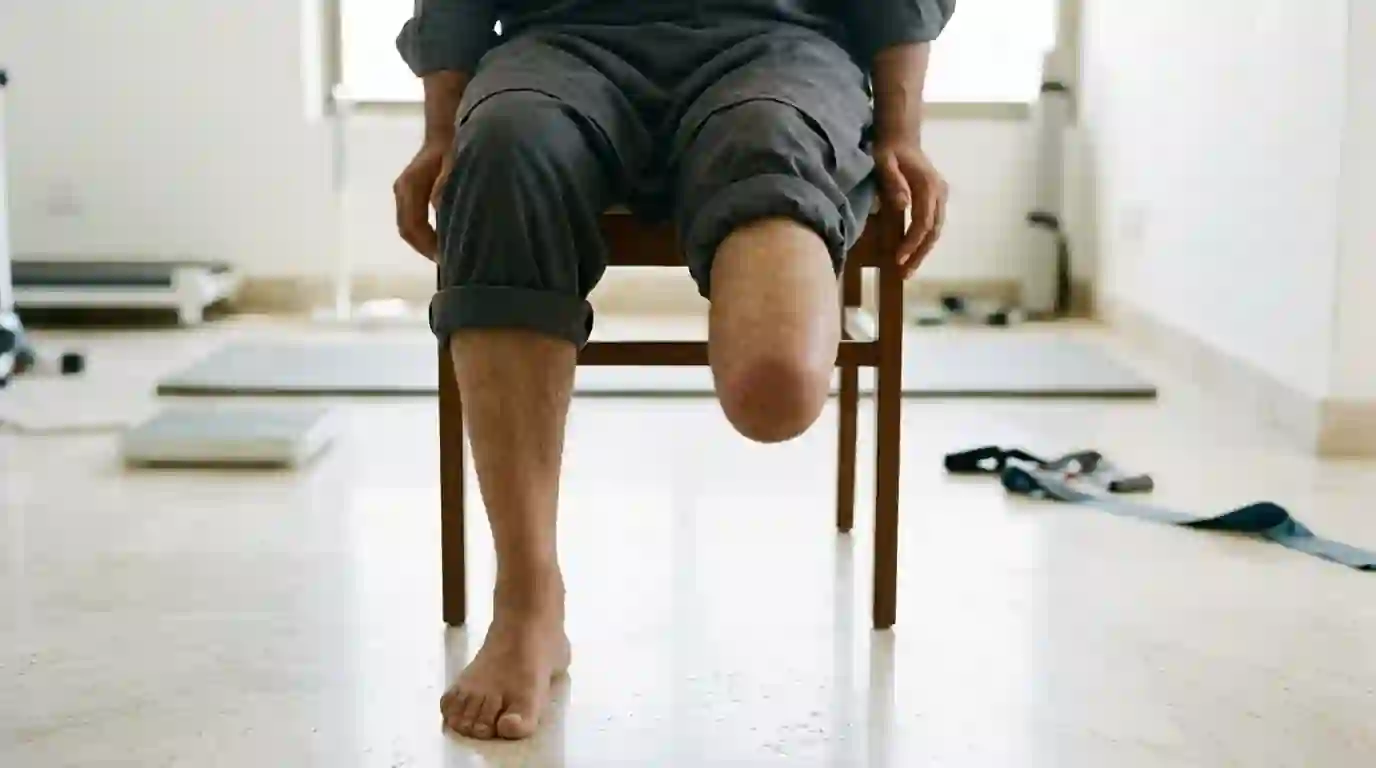
Week by week
What usually happens, week by week
| When | What usually happens | What helps |
|---|---|---|
| Weeks 1 to 2 | The wound heals and stitches or staples come out. | Keep the dressing clean and dry; keep the joint straight when resting. |
| Weeks 2 to 6 | Swelling goes down and the stump starts to firm up. | A shrinker sock or bandage, gentle exercise, daily skin checks. |
| Weeks 6 to 8 | Many stumps are ready for the first cast. | Book the assessment; keep up exercises and the shrinker. |
| Months 2 to 12 | The stump keeps shrinking slowly. | Expect socket changes; keep a steady weight. |
Shaping the stump
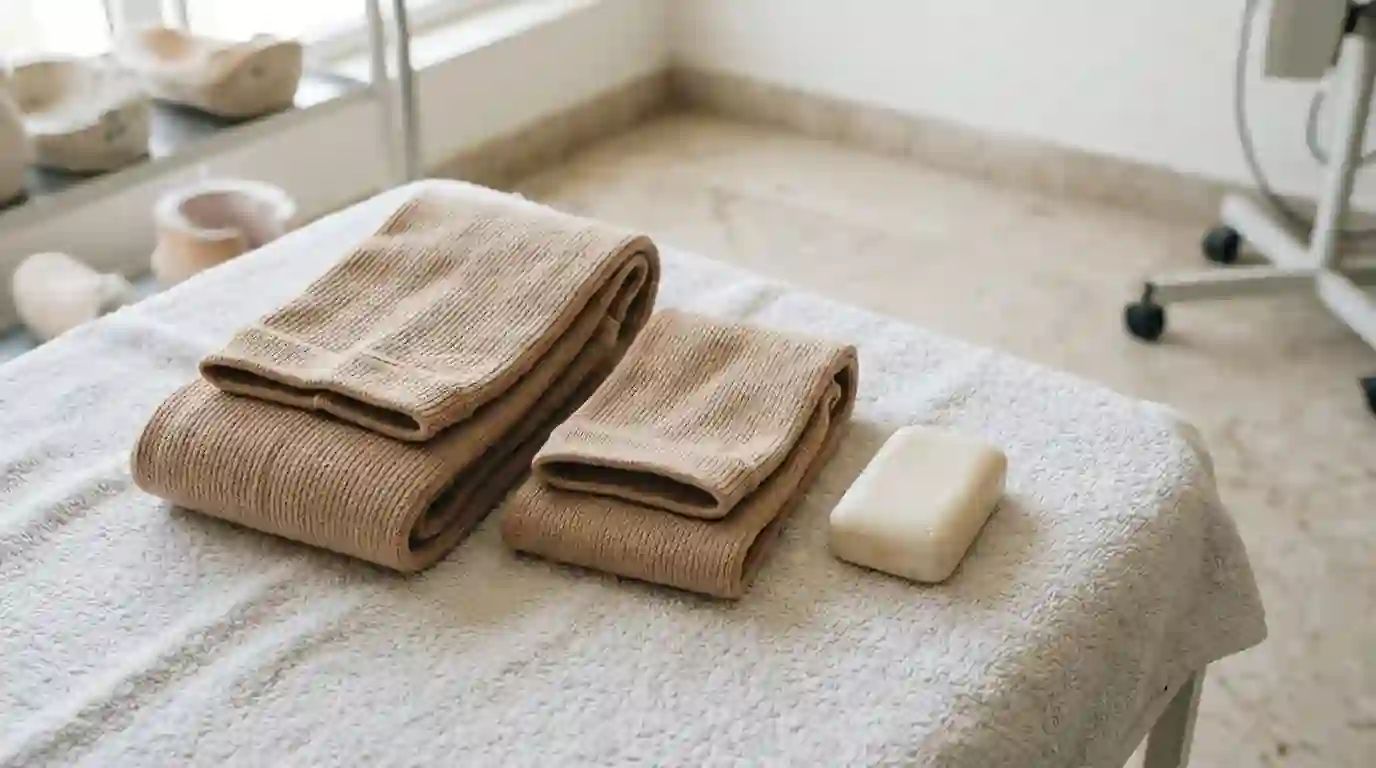
Shrinker socks and bandaging
Shaping the stump gives a firmer, more even shape that fits a socket well.
Once your surgeon allows, a shrinker sock is usually worn day and night, taken off for washing and skin checks.
It should feel snug but never painful, numb or tingly. Pressure should be firmest at the end of the stump.
Keep two and wash one each day; a stretched sock stops working.
Wrong bandaging can cut off blood flow. We or your physiotherapist can show you how.
Staying strong
Exercises that make the first fitting easier
Gentle and regular is the rule. Ask your physiotherapist which suit you.
After a leg amputation
- Lie flat on your frontTwenty minutes a few times a day stops the hip tightening.
- Straighten the kneeKeep a below knee stump straight when resting, never on a pillow under the knee.
- Strengthen the hipsSide-lying leg lifts and bridges build walking muscles.
- Stand on the good legWith support, for balance.
After an arm amputation
- Keep the shoulder movingGentle circles and reaches stop it stiffening.
- Move the elbow fullyFor below elbow stumps, bend and straighten every day.
- Work the musclesTensing forearm muscles helps if a myoelectric arm is planned.
- Use both sidesKeep using the stump to hold and steady things.
Skin in our heat
Looking after the skin in Karachi weather
Mild soap, warm water, then dry completely, especially in skin folds.
Look for redness, blisters or cracks; use a mirror for the back of the stump.
In summer, give the skin a break in a cool room before sleeping.
Dry the stump well after wudu before putting a sock or liner back on.

See your doctor the same day if
- The wound opens, bleeds or leaks pus
- Redness is spreading or the stump is hot and swollen
- You have a fever or chills
- Pain suddenly gets much worse
- The other foot develops a sore, if you have diabetes
Phantom pain and odd sensations in the missing limb are common and can be treated; tell your doctor about them too.
Questions
Stump care questions
Send us a photo on WhatsApp if you are unsure.
When can I start wearing a shrinker sock?
When your surgeon says the wound is ready, usually once stitches are out and the skin is closed. Ask before you start.
Is phantom pain normal?
Yes. Many people feel pain or tingling in the missing limb, especially in the first months. It often eases with time and can be treated, so tell your doctor.
How do I know the stump is ready for a limb?
The wound is closed, the swelling has mostly gone and the shape is firm. A free assessment or a photo on WhatsApp tells us for sure.
Can I use oil or cream on the stump?
A light moisturiser at night is fine once healed. Avoid heavy oils before wearing a liner, as they make it slip.
Why does lying on my front help?
It stretches the front of the hip so it does not tighten, which makes walking on a leg much easier.
Should I control my sugar more carefully now?
Yes, if you have diabetes. Good control helps the wound heal and protects your other foot. Follow your doctor's plan.
Talk to the clinic
Send us a photo of the stump
Not sure if it is ready? A clear photo on WhatsApp, at any hour, and we will tell you how it looks and what to do next.